Polysubstance detox in Huntington Beach requires specialized, coordinated medical treatment. Individualized intake assessments and comprehensive monitoring ensure safe withdrawal from multiple substances simultaneously.
- 1Polysubstance use creates complex withdrawal challenges requiring specialized medical assessment
- 2Individualized intake evaluations determine the safest detox protocol for each person
- 3Coordinated medical care in Huntington Beach combines medications, monitoring, and therapeutic support
- 4Medical detoxification is the critical foundation for long-term recovery from multiple substance dependencies
- 5Local Orange County detox programs provide accessible, evidence-based withdrawal management
Understanding Polysubstance Detox in Huntington Beach
Many people in Huntington Beach and Orange County struggle with dependencies on multiple substances simultaneously—a situation that requires specialized medical detoxification. Polysubstance use complicates the withdrawal process because each drug affects the body differently, with distinct timelines, risks, and medical requirements. When someone uses alcohol, benzodiazepines, and opioids together, the withdrawal risks compound, making professional medical supervision essential.
Detoxification is the necessary first step toward recovery, but polysubstance withdrawal demands more sophisticated care than single-substance detox. This is why individualized intake assessments and coordinated medical treatment form the foundation of effective Huntington Beach detox programs.
Why Polysubstance Detox Requires Specialized Care
Polysubstance dependencies create unique medical challenges. Each substance produces different withdrawal symptoms, timelines, and potential complications. Alcohol and benzodiazepines can trigger dangerous seizures during withdrawal. Opioid withdrawal, while rarely life-threatening alone, causes severe discomfort and dehydration. When these substances interact in your system, medical professionals must carefully manage the detoxification sequence.
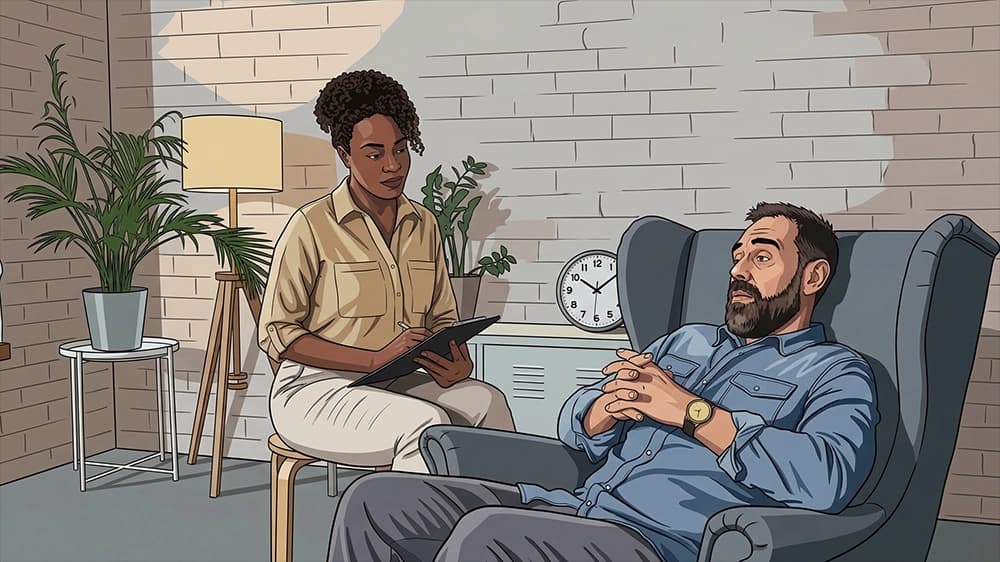
At the intake stage, specialists evaluate your specific substance use pattern, how frequently you used each drug, and your overall health status. This individualized assessment determines whether you need intensive medical supervision, inpatient hospitalization, or whether supervised outpatient detox is appropriate.
The brain chemistry affected by each substance requires different treatment approaches. Benzodiazepines must be tapered gradually to prevent seizures, and cold turkey cessation can be life-threatening. Opioids benefit from medication-assisted treatment with buprenorphine or methadone, which reduces withdrawal severity and cravings. Alcohol withdrawal may require specific medications to manage tremors, anxiety, and potential seizure risk.
Medical Detoxification in Orange County
Comprehensive detox programs in Huntington Beach integrate several critical components:
Medical Assessment and Monitoring - Licensed medical professionals conduct thorough intake evaluations. They monitor vital signs, assess mental health status, and identify any co-occurring conditions. Continuous monitoring during withdrawal allows clinicians to adjust medications and interventions as needed.
Coordinated Medication Management - Rather than treating each substance independently, Huntington Beach detox centers coordinate medication protocols. A person withdrawing from multiple substances receives carefully timed medications that work synergistically while preventing dangerous drug interactions.
Therapeutic Support During Withdrawal - Medical detox isn't purely pharmaceutical. Counseling, education about recovery, and group therapy begin immediately. This foundation strengthens commitment to residential treatment or ongoing therapy.
Transition Planning - Medical detoxification is the beginning, not the complete solution. Before discharge, treatment teams help you plan the next phase—whether that's residential addiction treatment, intensive outpatient programming, or continued therapy.
The Polysubstance Withdrawal Timeline
Understanding what to expect during polysubstance detox helps people prepare mentally and physically. The first 24-48 hours often bring anxiety, insomnia, muscle aches, and psychological cravings. Days 3-7 typically involve the most acute withdrawal symptoms—tremors, sweating, intense cravings, and mood disturbances. By days 7-14, acute symptoms generally diminish, though some discomfort may persist.
Post-acute withdrawal symptoms can continue for weeks or months after medical detoxification ends. These include mood swings, fatigue, difficulty concentrating, and persistent cravings. This is why residential treatment programs and aftercare following medical detox are so valuable. They address the psychological aspects of addiction and rebuild the skills necessary for sustained recovery.
Individualized Treatment in Southern California
Every person's polysubstance dependency is different. Someone who abused alcohol and opioids requires different treatment than someone combining stimulants with benzodiazepines or synthetic opioids. Southern California detox centers recognize this reality through intake-driven treatment planning.
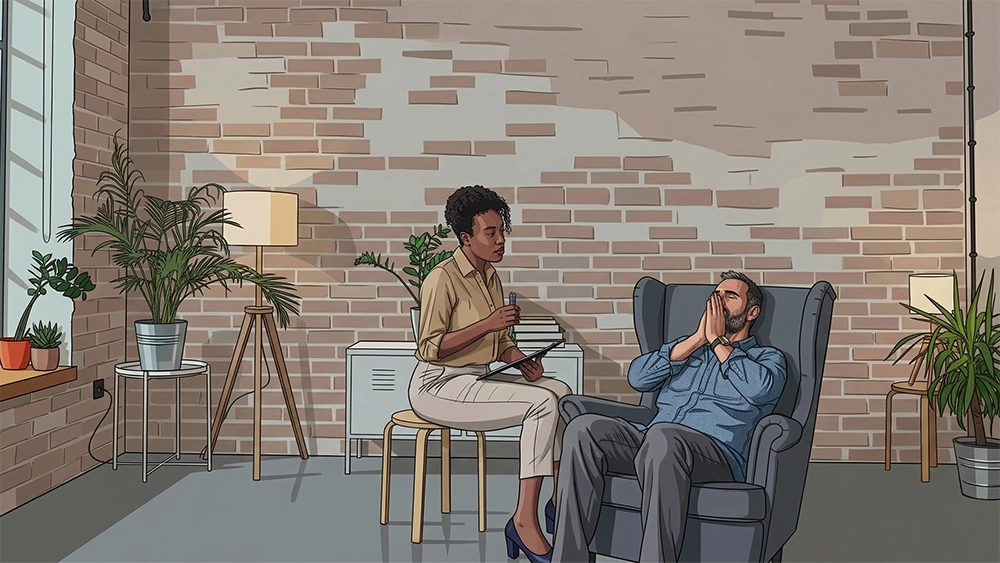
During your initial evaluation, clinicians ask detailed questions about:
- Which substances you've used and in what combinations
- How long you've struggled with dependency
- Previous detox or treatment attempts
- Medical conditions and current medications
- Mental health history and current symptoms
- Social support systems and life circumstances
This comprehensive understanding guides personalized protocols. Treatment isn't one-size-fits-all; it's specifically designed for your medical needs and recovery goals.
Moving Beyond Medical Detox
Medical detoxification stabilizes your body and manages withdrawal safely. But addiction treatment requires more—it addresses the psychological, behavioral, and social factors maintaining substance use. Many people discover that residential treatment programs following medical detox provide the structure, therapy, and community support essential for lasting recovery.
Huntington Beach and Orange County offer multiple treatment pathways. Some people transition directly to intensive outpatient programs while continuing to live at home. Others benefit from residential settings where they can focus entirely on recovery without daily life distractions or triggers.
The most important factor is beginning professional treatment immediately. The longer addiction progresses, the more entrenched it becomes. Early intervention through medical detoxification opens the door to comprehensive recovery.
Your Path to Recovery Starts Now
Polysubstance detox in Huntington Beach provides the medical foundation for recovery, but only if you take the first step. Calling today doesn't commit you to anything except a confidential conversation about your options.
Contact Surf City Detox at 888-222-1506 to schedule your individualized intake assessment. Our clinical team evaluates your specific situation, explains your treatment options, and answers your questions about the detox process. We understand that reaching out takes courage—we're here to support your decision to recover.
Recovery from polysubstance dependency is possible. Thousands of people in Southern California have walked this path and built fulfilling lives in sobriety. You can too.
Medical disclaimer: This article is for informational purposes only and does not constitute medical advice. Always consult with a healthcare provider for personalized recommendations.
Frequently Asked Questions
What is polysubstance detox and why is it different?
Polysubstance detox addresses simultaneous dependencies on multiple drugs or alcohol. Each substance has different withdrawal timelines and risks, requiring coordinated medical oversight. A person withdrawing from alcohol, benzodiazepines, and opioids simultaneously needs carefully managed protocols to prevent dangerous complications or seizures during the detox process.
How do medical professionals assess my specific needs in Huntington Beach?
Intake specialists conduct comprehensive evaluations examining your substance use history, medical background, mental health status, and withdrawal risk factors. This assessment determines whether you need hospital-level care, supervised medical detox, or outpatient management. In Huntington Beach and Orange County, specialized clinicians create individualized treatment plans based on your unique profile and medical conditions.
What medications help with polysubstance withdrawal?
Medications vary by substance dependency. Benzodiazepines manage alcohol and benzo withdrawal anxiety, methadone or buprenorphine support opioid detox, and additional medications address specific withdrawal symptoms. Medical professionals coordinate these medications carefully to prevent interactions and maximize safety during the detoxification process.
How long does polysubstance detox take?
Acute withdrawal typically ranges from 5-14 days depending on substances involved, frequency of use, and individual factors. However, post-acute withdrawal symptoms may persist for weeks or months. Comprehensive detox programs transition you into residential or outpatient aftercare to sustain recovery beyond the initial medical stabilization phase.
Can I receive polysubstance detox treatment in Huntington Beach?
Yes, Huntington Beach and Orange County offer specialized polysubstance detox services with coordinated medical teams. Evidence-based programs provide individualized assessments, medical monitoring, medication management, and therapeutic support throughout withdrawal. For professional evaluation and treatment options, contact Surf City Detox at 888-222-1506 to discuss your specific needs.
Sources & References
References used for this article.
- Clinical Guidelines for the Management of Substance Use Disorders — Substance Abuse and Mental Health Services Administration (2023)
- Polysubstance Use and Withdrawal Management — American Society of Addiction Medicine (2022)
- Medication-Assisted Treatment for Opioid Use Disorder — National Institute on Drug Abuse (2024)
Surf City Detox