

Medically supervised benzo detox programs in Huntington Beach use gradual tapering to manage withdrawal safely and reduce relapse risk.
- 1Benzodiazepine withdrawal can be medically dangerous and requires professional supervision to prevent complications.
- 2Gradual tapering over weeks or months helps minimize withdrawal symptoms and supports long-term recovery.
- 3Orange County treatment programs integrate medical monitoring, behavioral therapy, and aftercare planning for comprehensive care.
- 4Medication-assisted approaches and therapeutic support address both physical dependence and underlying anxiety conditions.
- 5Early intervention and personalized treatment plans improve outcomes for individuals struggling with benzodiazepine dependence.
Benzodiazepine dependence represents a growing health concern across Orange County, and individuals in Huntington Beach seeking recovery deserve access to compassionate, evidence-based care. Whether prescribed for anxiety, insomnia, or panic disorder, benzodiazepines carry significant risks of physical and psychological dependence. The good news is that medically supervised detoxification combined with comprehensive treatment addresses these challenges safely and effectively.
Understanding Benzodiazepine Dependence
Benzodiazepines work by enhancing the central nervous system's inhibitory neurotransmitters, creating a calming effect. With regular use, the brain adapts to their presence, leading to tolerance and dependence. Physical dependence differs from addiction—people can become dependent on prescribed medications without developing a substance use disorder. Understanding the benzo detox timeline helps set realistic expectations for the withdrawal process. However, both dependence and addiction require professional intervention for successful recovery.
Withdrawal from benzodiazepines presents unique dangers. Unlike alcohol or opioids, abrupt cessation can trigger life-threatening complications including seizures, dangerous blood pressure spikes, and severe psychological symptoms. This is why tapering—gradually reducing doses under medical supervision—remains the gold standard approach for benzodiazepine discontinuation. Our benzo taper schedule guide explains how medical teams structure this gradual reduction.
Benzo Detox Huntington Beach: Care Options
Huntington Beach residents have access to multiple evidence-based detoxification pathways through specialized Orange County facilities. Each approach is tailored to individual circumstances, medical history, and severity of dependence.
Residential Detoxification Programs
For individuals requiring intensive support, residential detox programs provide 24/7 medical monitoring, nursing care, and structured therapeutic environments. Patients live on-site during the acute withdrawal phase, typically 5-10 days, allowing clinicians to:
- Monitor vital signs continuously
- Adjust tapering schedules based on withdrawal symptom severity
- Administer comfort medications (non-benzodiazepine options)
- Provide psychological support during the most vulnerable phase
- Begin therapeutic work addressing underlying anxiety and trauma
Intensive Outpatient Programs
Intensive Outpatient Programs (IOPs) suit individuals with stable housing and support systems who don't require residential placement. Participants attend treatment 3-5 days weekly while continuing daily responsibilities. These programs feature:
- Regular medical check-ins and tapering adjustments
- Group and individual therapy sessions
- Behavioral coping strategies for managing withdrawal discomfort
- Family involvement when appropriate
- Flexibility for work and family obligations
Standard Outpatient Detoxification
For individuals with mild to moderate dependence and strong social support, outpatient models allow management from home with weekly or bi-weekly medical appointments. This approach works best for those with reliable transportation, stable environments, and motivated family involvement.
The Science Behind Safer Tapering
Medical supervision during benzodiazepine detox isn't simply about management—it's about harm reduction grounded in neuroscience. The brain's dependence on benzodiazepines develops through complex adaptive processes. A gradual tapering schedule allows the central nervous system time to readjust, reducing withdrawal severity and improving long-term outcomes.
Typical tapering protocols reduce doses by 10-25% every 1-2 weeks, depending on individual tolerance and symptom presentation. Some individuals require slower reductions, particularly those with:
- Long-term (months to years) benzodiazepine use
- High-dose dependencies
- Previous withdrawal attempts
- Co-occurring mental health conditions
Our comprehensive addiction treatment approach recognizes that benzodiazepine dependence often coexists with anxiety disorders, depression, and trauma. Effective recovery requires addressing both the physical dependence and the underlying conditions—such as anxiety or PTSD—that may have prompted benzodiazepine use initially.
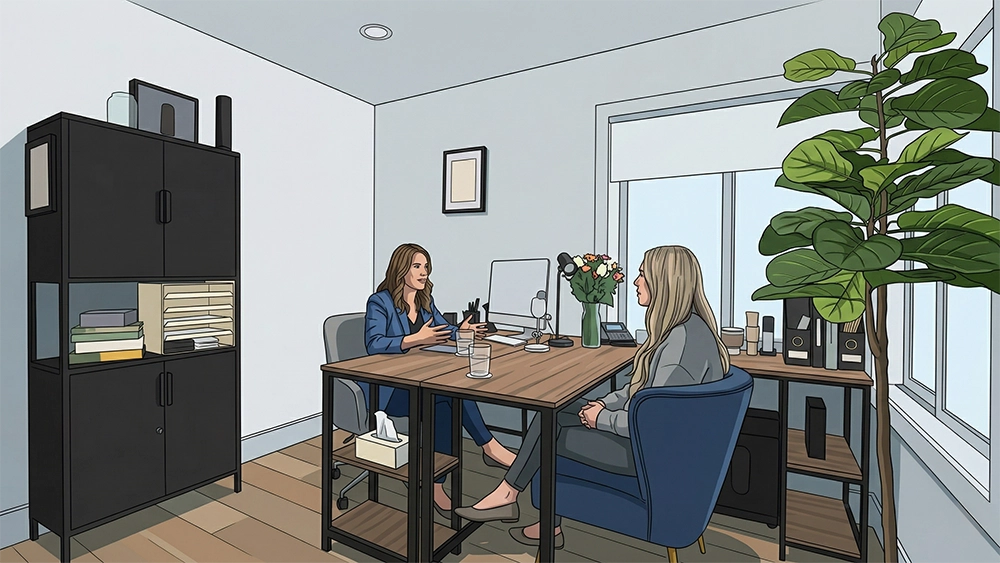
What to Expect During Medical Detoxification
Understanding the detoxification process reduces anxiety and improves treatment engagement.
Initial Assessment: Medical professionals conduct comprehensive evaluations including drug screening, vital signs, medical history, psychiatric assessment, and withdrawal risk evaluation. This information personalizes your tapering schedule.
Withdrawal Symptom Management: Common benzo withdrawal symptoms—tremors, anxiety, insomnia, muscle aches—are addressed through non-addictive comfort measures, therapy, and occasionally non-benzodiazepine medications. Clinicians monitor for serious complications requiring immediate intervention.
Therapeutic Integration: Concurrent behavioral therapy begins addressing anxiety management skills, trauma processing, coping strategies, and relapse prevention. This foundation supports sustainable recovery beyond acute detoxification.
Aftercare Planning: Before completing acute detox, treatment teams develop comprehensive aftercare plans including ongoing treatment recommendations, support group referrals, medication management, and follow-up appointment scheduling.
Support Systems and Recovery
Successful benzodiazepine recovery extends far beyond detoxification. Strong support systems significantly improve outcomes. This includes:
- Family education about benzodiazepine dependence and recovery
- Peer support through recovery communities
- Mental health counseling addressing co-occurring conditions
- Stress management and relaxation technique training
- Gradual reintegration into daily responsibilities
Huntington Beach's recovery community offers abundant resources. From support group meetings to recreational activities, individuals find connection and accountability during this challenging transition.
Starting Your Recovery Journey
If you or a loved one struggles with benzodiazepine dependence in Huntington Beach or Orange County, professional help is available. Medically supervised detoxification transforms the withdrawal process from dangerous and uncomfortable into manageable and supported.
Recovery is possible. Reach out to Surf City Detox today at 888-222-1506 to speak with an admissions specialist. We'll discuss your situation, answer questions, and help you explore treatment options. Our team is ready to support your journey toward freedom from benzodiazepine dependence.
Medical disclaimer: This article is for informational purposes only and does not constitute medical advice. Always consult with a healthcare provider for personalized recommendations.
Frequently Asked Questions
Why is medical supervision important for benzo detox?
Abrupt discontinuation of benzodiazepines can trigger severe withdrawal symptoms, including seizures and psychological complications. Medical supervision ensures safe tapering, vital monitoring, and immediate intervention if complications arise.
How long does benzodiazepine detox typically take?
Detoxification timelines vary based on dosage, duration of use, and individual factors. Most medically supervised programs involve gradual tapering over 4-12 weeks, with ongoing support extending beyond acute withdrawal.
What treatment options are available in Huntington Beach?
Huntington Beach offers residential detox programs, intensive outpatient services, and standard outpatient care. These programs combine medical oversight, counseling, peer support, and relapse prevention strategies tailored to individual needs.
What makes benzo detox in Huntington Beach different from other approaches?
Huntington Beach facilities provide Orange County's specialized programs with coastal therapeutic environments, experienced addiction medicine specialists, and integrated care addressing both benzodiazepine dependence and co-occurring conditions.
How do I start benzo detox treatment today?
Contact Surf City Detox at 888-222-1506 to speak with an admissions specialist. Our team will assess your situation, explain available programs, and help you begin medically supervised detoxification right away.
Sources & References
References used for this article.
- Benzodiazepine Dependence, Abuse, and Addiction — Substance Abuse and Mental Health Services Administration (SAMHSA) (2023)
- Clinical Guidelines for Benzodiazepine Withdrawal — American Psychiatric Association (2023)
- Medication-Assisted Treatment for Benzodiazepine Dependence — National Institute on Drug Abuse (NIDA) (2024)
Surf City Detox