
Medications for alcohol detox may include benzodiazepines, anticonvulsants, and supportive medications for nausea, sleep, hydration, or blood pressure, depending on symptoms and risk level. They are used to manage withdrawal more safely under clinical supervision rather than as a one-size-fits-all formula.
- 1Alcohol detox medication plans are individualized because withdrawal severity and medical history vary from person to person.
- 2Benzodiazepines are commonly used for moderate to severe alcohol withdrawal because they can reduce seizure risk and help calm the nervous system.
- 3Clinicians may also use anticonvulsants or supportive medications for sleep, nausea, blood pressure, or discomfort.
- 4Medication during detox is meant to support stabilization, monitoring, and safety rather than replace continuing treatment.
- 5A supervised detox program can help determine whether detox, residential care, or admissions support should come next.
In Huntington Beach and across Orange County, people often search for a quick alcohol detox medication list because they want to know what treatment actually looks like. The more accurate answer is that medications for alcohol detox depend on the person's symptoms, withdrawal history, and medical risk. There is no single pill or standard formula that works for everyone.
At Surf City Detox, medication planning during withdrawal is part of supervised stabilization, not a shortcut around assessment. Some people need medications that help prevent more serious complications. Others mainly need supportive treatment for nausea, sleep disruption, anxiety, or blood pressure changes. The right approach depends on what is happening clinically in real time.
Why are medications used during alcohol detox?
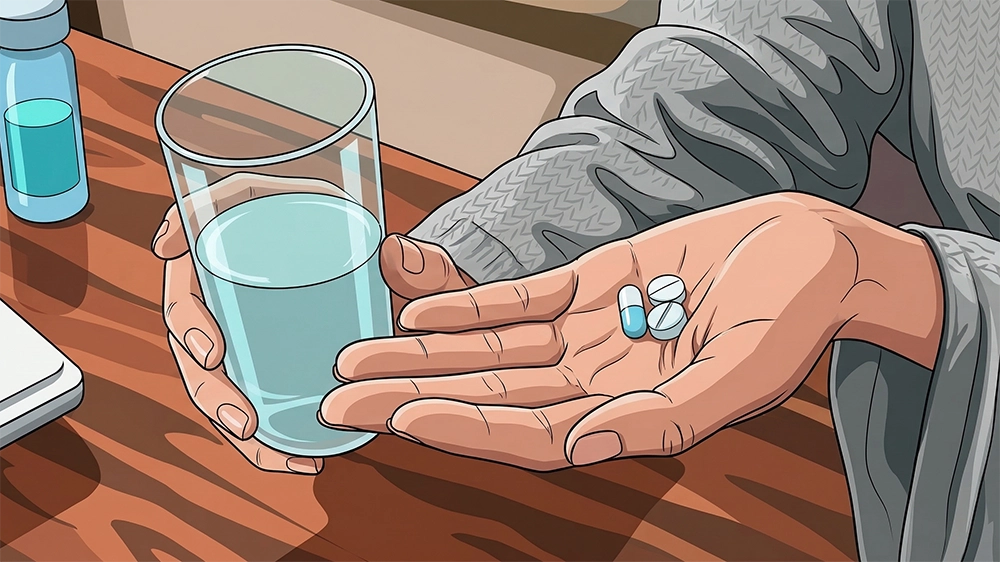
Alcohol withdrawal can range from uncomfortable to medically dangerous. As the brain adjusts to the absence of alcohol, the nervous system can become overactive. Medication may be used to reduce the intensity of symptoms, lower seizure risk in higher-risk cases, and make the detox process safer to monitor.
Medication is not always about one dramatic intervention. Often it is about careful support over time. Clinicians may treat different pieces of the withdrawal picture as they emerge, rather than assuming every person needs the same alcohol detox medication list.
Which medications are most commonly used for alcohol detox?
Benzodiazepines are among the most commonly used medications in moderate to severe alcohol withdrawal. They are often chosen because they help calm the overactive nervous system and can reduce the risk of seizure-related complications. The specific medication, dosing schedule, and duration depend on symptoms, history, and how the person responds.
Other medications may also be used in selected cases. These can include anticonvulsants, medications for nausea or stomach upset, sleep support, fluids or supplements, and medications that help manage blood pressure or autonomic symptoms. The point is not to give every medication available. It is to use the right tools for the actual withdrawal pattern.
Why do clinicians use benzodiazepines so carefully?
Benzodiazepines can be effective during alcohol withdrawal, but they still require monitoring. Clinicians have to consider sedation risk, medical history, possible interactions, and whether the person has also been using other substances. This is why medication during detox belongs in a supervised setting rather than a self-directed plan at home.
In Orange County, many people are familiar with the names of these medications before they understand how they are used. Knowing the name is not the same as knowing the right indication, dose, or timing. A medically supervised detox program watches symptoms closely and adjusts the plan if the picture changes.
Are there non-benzodiazepine options?
Yes, sometimes. Some detox plans include anticonvulsants or other supportive medications depending on risk level, medical history, and the severity of symptoms. In other cases, the main medication focus may be supportive care rather than seizure prevention because the withdrawal presentation is milder.
That does not mean non-benzodiazepine care is "lighter" or casual. It still requires clinical judgment. The choice depends on what clinicians are trying to manage, whether symptoms are progressing, and what other conditions are part of the case.
What supportive medications might be used?
Supportive medications can be just as important as the better-known detox drugs. During withdrawal, people may struggle with:
- Nausea or vomiting
- Insomnia
- Headache or body discomfort
- Elevated blood pressure or pulse
- Anxiety or agitation
- Dehydration and nutritional depletion
Treatment may address these symptoms with targeted medications, hydration, vitamins, and repeated reassessment. The goal is to stabilize the person as safely and comfortably as possible while watching for signs that the withdrawal course is becoming more serious.
In Huntington Beach, many people are surprised to learn that nutritional support can matter during detox as much as the better-known withdrawal medications. Alcohol use can affect appetite, hydration, and vitamin levels, so supportive care may include attention to those basics alongside symptom management. That fuller approach helps clinicians respond to the whole withdrawal picture instead of focusing on only one complaint.
Do medications finish the treatment process?
No. Medication can help a person get through the acute withdrawal window, but detox is only the first stage. After stabilization, many people still need continued care and structure. Some transition into residential treatment because they need a more protected environment for early recovery. Others need a different follow-up plan based on relapse risk, mental health needs, or living situation.
That transition matters because feeling physically better after detox does not automatically resolve cravings, coping patterns, or the reasons alcohol use became hard to manage in the first place. Medication supports the first phase of safety. It does not replace ongoing treatment.
For some people, the next practical step is a direct move into admissions so treatment planning stays continuous instead of restarting after discharge. That continuity can reduce the drop-off that sometimes happens when someone feels better physically and then underestimates how much support early recovery still requires.
Why should people avoid self-directing detox medications?
Searching an alcohol detox medication list online can make the process sound more standardized than it is. In reality, the same medication can be appropriate in one case and unsafe in another depending on liver function, other drug use, age, medical history, and symptom severity. Self-directed medication use can miss those differences.
For people in Huntington Beach and throughout Southern California, the safer approach is a professional evaluation that determines whether medication is needed, which type fits the situation, and what treatment should follow once the acute phase begins to settle.
That evaluation is also the best place to ask about tradeoffs. A clinician can explain why one medication may be preferred, why another may be avoided, and how the plan would change if symptoms intensify. Getting those answers in a supervised setting is far more reliable than trying to build an alcohol detox medication plan from scattered online examples.
If you are trying to understand what medications are used during alcohol detox, Surf City Detox can help you sort through the options clearly. Our team supports people in Huntington Beach, Orange County, and across Southern California who need medically supervised withdrawal planning. Call 888-222-1506 or visit admissions or insurance to take the next step.
Medical disclaimer: This article is for informational purposes only and does not constitute medical advice. Always consult with a healthcare provider for personalized recommendations.
Frequently Asked Questions
What medications are commonly used during alcohol detox?
Common medications may include benzodiazepines for withdrawal management, anticonvulsants in selected cases, and supportive medications for nausea, sleep, blood pressure, hydration, or discomfort. The exact plan depends on symptom severity, withdrawal history, medical status, and how the person responds during detox.
Why are benzodiazepines used in alcohol detox?
Benzodiazepines are often used because they can reduce overactivity in the nervous system during alcohol withdrawal and lower the risk of seizures in higher-risk cases. Clinicians choose and adjust them carefully because the goal is controlled medical stabilization, not sedation for its own sake.
Are there non-benzodiazepine medications for alcohol detox?
Sometimes, yes. Some detox plans use anticonvulsants or other supportive medications depending on the person's history and withdrawal pattern. These options are selected case by case and are usually part of a broader clinical plan rather than a simple substitute for all benzodiazepine-based protocols.
Where can I get alcohol detox help in Huntington Beach?
In Huntington Beach, Orange County, and across Southern California, a medically supervised detox program can assess symptoms and decide whether medication support is needed. That evaluation helps match the person to the safest level of monitoring instead of relying on an alcohol detox medication list from the internet.
How do I start detox treatment at Surf City Detox?
Call Surf City Detox at 888-222-1506 to review recent drinking, withdrawal symptoms, and treatment options. The team can explain whether [detox](/programs/detox), [residential treatment](/programs/residential), [admissions](/admissions), or [insurance](/insurance) should come next.
Sources & References
References used for this article.
- Alcohol Withdrawal — MedlinePlus (2025)
- Treatment for Alcohol Problems: Finding and Getting Help — NIAAA (2025)
- Treatment for Substance Use Disorders — SAMHSA (2025)
Surf City Detox