
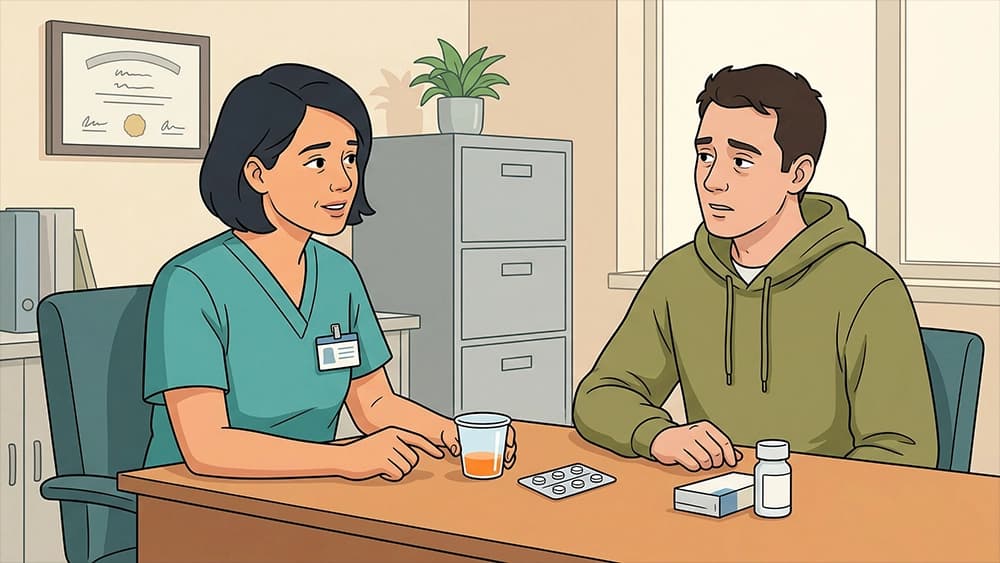
Heroin withdrawal is often managed with medications that reduce cravings, ease autonomic symptoms, and support sleep, hydration, and comfort. The best medication plan depends on timing, severity, and whether a person is transitioning into ongoing treatment afterward.
- 1Buprenorphine is one of the most common medications used to reduce heroin withdrawal symptoms and cravings.
- 2Clonidine and other supportive medications can help with sweating, agitation, nausea, and sleep disruption.
- 3Medication timing matters because starting the wrong treatment at the wrong moment can make symptoms worse.
- 4Detox medication planning should connect to the next phase of recovery, not only symptom relief.
- 5Medical supervision is important when symptoms are intense or polysubstance use is involved.
Heroin withdrawal can feel overwhelming because symptoms often hit both the body and the nervous system at once. People may deal with muscle aches, sweating, nausea, restlessness, anxiety, insomnia, and intense cravings. Medication can make that process much more manageable, but only when it is used thoughtfully and at the right time.
In detox, the goal is to reduce suffering and lower risk while preparing for the next phase of recovery.
Withdrawal often feels even harder when someone is trying to push through it alone. Poor sleep, dehydration, and rising anxiety can make cravings feel more urgent, which is one reason medical detox is usually more effective than trying to white-knuckle the process at home.
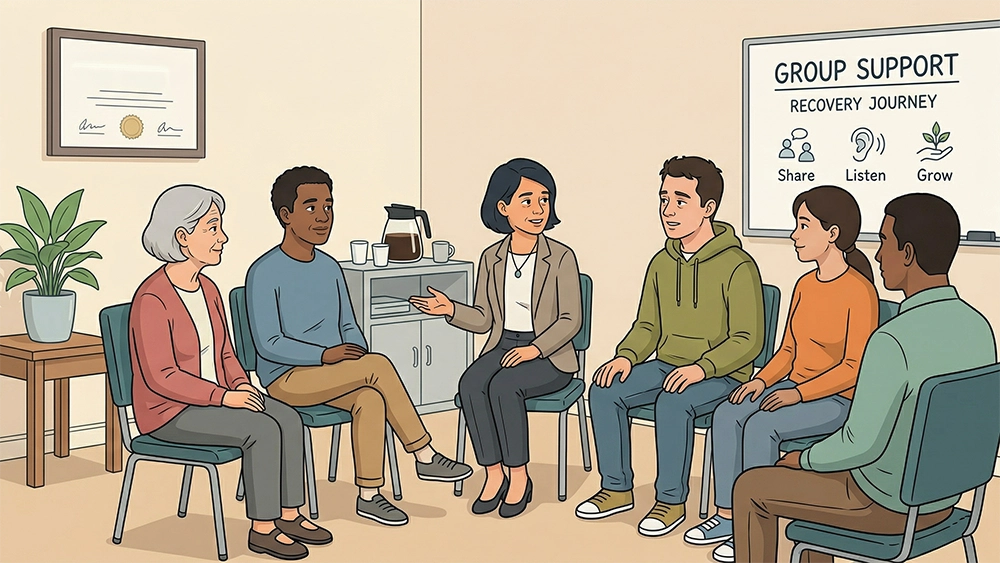
The main medication used during heroin withdrawal
Buprenorphine is one of the most common medications used to manage heroin withdrawal. It can reduce cravings and ease symptoms once enough withdrawal has begun. That timing matters. If it is started too early, the person may feel worse instead of better.
This is one reason professional assessment matters during detox. The timing of the first dose can change how manageable the first day of treatment feels.
Buprenorphine is often chosen because it can ease withdrawal and cravings without producing the same high as heroin. Even so, it still has to be started at the right point in the withdrawal timeline and monitored so the person does not get stuck between undertreated symptoms and avoidable discomfort.
Supportive medications that improve comfort
Not every symptom is treated with the same medication. Detox programs often use supportive medications alongside the main withdrawal plan. Clonidine can help reduce sweating, agitation, and stress-related physical symptoms. Other medications may be used for nausea, diarrhea, sleep disruption, and body aches.
That broader comfort approach matters because withdrawal is more than one symptom. It is a combination of physical distress, sleep problems, emotional discomfort, and strong cravings that can all increase relapse risk.
Depending on the symptom pattern, teams may also focus on hydration, electrolyte support, rest, and regular monitoring of blood pressure or pulse. These details are easy to overlook, but they matter because a person who is exhausted and physically depleted is much less able to stay with treatment.
Why medication timing and monitoring matter
Medication can help a lot, but detox is not a do-it-yourself process when symptoms are intense. Timing, dose adjustments, hydration, and co-occurring substance use can all change the safest plan. If alcohol, benzodiazepines, or other drugs are also involved, the withdrawal picture may become more complicated.
Medical monitoring helps the team adjust care before the situation spirals. It also gives the person a better chance of getting through withdrawal without immediately returning to use to stop the discomfort.
That monitoring matters even more when the last-use timing is unclear or when someone is dealing with mixed withdrawal. Starting medication too early can trigger worse symptoms, while waiting too long can leave the person miserable and more likely to leave treatment before the plan has time to work.
How a detox plan is chosen
A good detox plan starts with the basics: when the last heroin use happened, whether alcohol or benzodiazepines are also involved, and whether the person has medical issues that change the risk level.
Common planning questions include:
- Is the person in enough withdrawal for medication to start safely?
- Are there signs of dehydration, sleep loss, or severe agitation?
- Is polysubstance use making the symptom picture harder to predict?
- What comes after detox if symptoms improve?
Those answers help the team decide whether a person can continue in a lower level of care after detox or whether they need a more structured transition right away.
Detox should lead to the next step
Medication support is strongest when it is connected to what happens afterward. Some people continue into heroin treatment planning right away. Others may need residential care so they do not leave detox without structure and follow-through.
The immediate goal is symptom relief, but the larger goal is getting through detox in a way that makes ongoing treatment more likely.
A short-term medication plan works best when the next appointment is already lined up. That next step may be residential treatment, outpatient follow-up, or a full recovery assessment before discharge so the person does not return home without support.
Many people also ask whether medication will interfere with recovery. In practice, the goal is the opposite: to make withdrawal manageable enough that a person can continue into treatment instead of leaving because the symptoms feel unbearable.
Detox may be brief, but recovery does not stop there. A person who already knows where they are going after discharge is more likely to stay engaged and less likely to drift back into use while still medically vulnerable.
That is especially true in the first few days after the worst symptoms start to fade. Cravings can rise once the immediate physical distress eases, which is why the plan needs to cover the week after discharge, not just the hours spent in detox.
If the next level of care is already selected, the medication plan can support that transition instead of ending abruptly. That makes it easier to move from symptom management into heroin treatment or residential care without losing momentum.
When supervised detox is the safer choice
Medical supervision is especially important when symptoms are intense, hydration is poor, or the person has a history of complicated withdrawal. It is also important when heroin use is happening alongside alcohol or sedatives, because those combinations can make the overall picture less predictable.
If someone is not sure whether they can safely detox at home, that uncertainty is usually a signal to get evaluated. A clinical team can help decide whether medication, monitoring, or a higher level of care is the safer starting point.
Getting help in Orange County
If heroin withdrawal symptoms are making it hard to stop safely, call Surf City Detox at 888-222-1506. The team can explain medication options, detox planning, and what kind of support should come next.
Related care paths
Frequently Asked Questions
What medication is most commonly used for heroin withdrawal?
Buprenorphine is a common option because it can reduce withdrawal symptoms and cravings when it is started at the right time.
What does clonidine do during detox?
Clonidine can help lower some of the physical stress responses of withdrawal, such as sweating, agitation, and elevated blood pressure.
Are there medications for nausea and sleep too?
Yes. Detox programs often use supportive medications for nausea, diarrhea, sleep problems, and body aches as part of a broader comfort plan.
Can medication fix withdrawal on its own?
Medication can make withdrawal much safer and more manageable, but detox still needs follow-up treatment planning afterward.
How do I get help in Orange County?
Call Surf City Detox at 888-222-1506 to ask about detox, heroin treatment, and residential care.
Sources & References
References used for this article.
- TIP 63: Medications for Opioid Use Disorder — SAMHSA (2021)
- Medications to Treat Opioid Use Disorder — NIDA (2024)
- Opioid Withdrawal — NCBI Bookshelf (2024)
Surf City Detox