
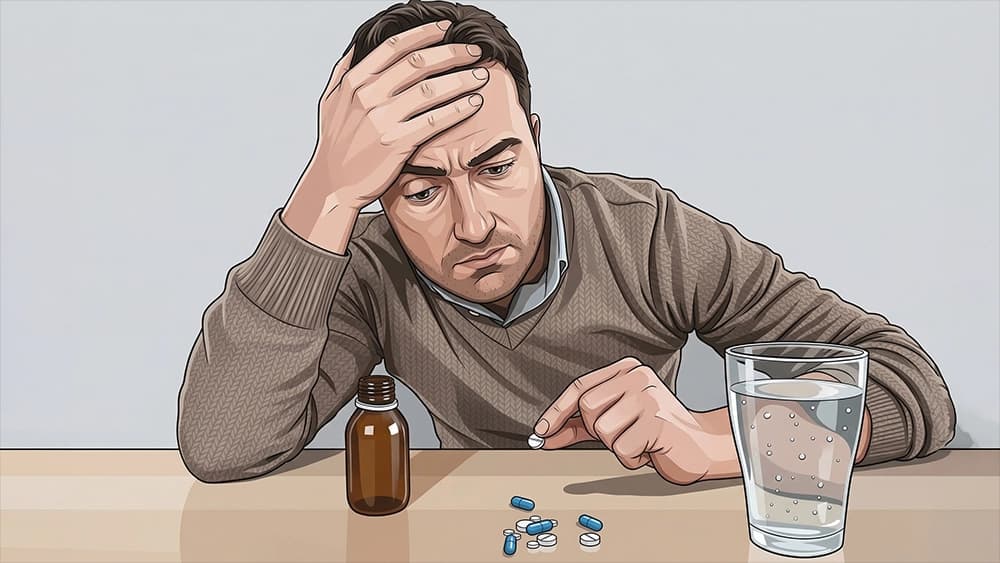
Benzo withdrawal length depends on the medication involved, dose, duration of use, tapering approach, and individual health factors. Some people experience acute symptoms over days to weeks, while others may have a longer adjustment period that still benefits from clinical support.
- 1Benzo withdrawal duration varies based on the specific benzodiazepine, dose, frequency of use, and whether a taper is used.
- 2Short-acting benzos may lead to symptoms sooner, while longer-acting medications can delay onset but extend the overall course.
- 3Withdrawal can include acute symptoms such as anxiety, insomnia, tremors, and sensory sensitivity, and some people experience a longer recovery period.
- 4A supervised taper or detox plan is often safer than stopping abruptly, especially after long-term or high-dose use.
- 5Detox is only the first step, and continued residential or other treatment may be needed to support ongoing recovery.
In Huntington Beach, many people asking for help with benzodiazepines want to know the same thing: how long does benzo withdrawal last? It is an understandable question, especially when someone is worried about panic, insomnia, shaking, or how long it may take to feel stable again. The challenge is that benzodiazepine withdrawal does not follow one fixed schedule. The timeline depends on the medication used, the amount taken, how long it was used, and whether the person is tapering or stopping suddenly.
At Surf City Detox, we explain benzo withdrawal as a process that may unfold in stages rather than a short event with a clean endpoint. Some people experience an intense acute phase. Others move through a slower taper with a more gradual adjustment. Knowing the difference can help families in Orange County understand why detox, benzodiazepine treatment, or a step into residential treatment may be the safest way to begin.
Why is the benzo withdrawal timeline so variable?
Benzodiazepines include different medications with different durations of action. A shorter-acting medication may leave the body faster and bring on symptoms sooner, while a longer-acting medication may delay the onset but stretch the overall course.
The timeline may also change based on:
- Daily dose and potency
- Length of time the medication was used
- Whether use was prescribed or mixed with other substances
- Previous withdrawal attempts
- Age, health status, and sleep patterns
- Whether the person is tapering gradually
This is why one person's experience cannot reliably predict another's. In Southern California, families often compare stories online, but the safest timeline is the one built from the person's own history and clinical risks.
When do symptoms usually begin?
The first phase of withdrawal often begins after the medication level drops enough for the nervous system to react. With some shorter-acting benzos, that may happen relatively quickly. With longer-acting ones, the onset may be delayed.
Early symptoms can include:
- Heightened anxiety
- Restlessness
- Trouble sleeping
- Sweating
- Tremors
- Sensitivity to light, sound, or touch
- Irritability and poor concentration
Some people mistake this early phase for a return of the original anxiety problem. That can make the withdrawal process confusing, especially if the medication had been used for a long time and the body has adapted to it.
What does the acute withdrawal phase look like?
The acute phase is often the part people fear most because symptoms can be both physical and psychological. For some, the discomfort is intense but manageable with support. For others, the risks are more serious, especially when high doses, abrupt stopping, or polysubstance use are involved.
Acute benzo withdrawal may involve:
- Panic or severe anxiety
- Insomnia
- Muscle tension or tremors
- Nausea
- Rapid heart rate
- Perceptual disturbances
- Increased seizure risk in some cases
This is why stopping suddenly without supervision can be unsafe. A taper is often used not because clinicians want the process to take longer for no reason, but because a slower reduction may lower risk and make the transition more tolerable.
Why can benzo withdrawal last for weeks or longer?
People are often surprised that benzo withdrawal may continue beyond the first several days. That longer course can happen for two main reasons. First, a careful taper intentionally spreads the process out. Second, the nervous system may need ongoing time to adjust after dependence has developed.
A longer recovery period may involve:
- Sleep that improves slowly rather than all at once
- Waves of anxiety that come and go
- Periods of mental fog or low stress tolerance
- Ongoing sensitivity to caffeine, stress, or poor sleep
- Gradual rebuilding of routine without the medication
This does not mean symptoms stay severe the whole time. It means improvement may be uneven, and support still matters after the most obvious crisis has passed.
What makes tapering safer than quitting abruptly?
Tapering reduces the dose gradually so the nervous system has more time to adapt. The exact schedule depends on the medication, the dose, the person's symptoms, and whether other substances are involved.
Tapering may help by:
- Lowering the chance of a sharp symptom spike
- Reducing seizure risk in some situations
- Making sleep and anxiety changes easier to monitor
- Allowing treatment teams to adjust the plan if symptoms worsen
- Creating time to add therapy and recovery support
In Huntington Beach and Orange County, people sometimes want the fastest path possible because they are exhausted by dependence. But with benzodiazepines, faster is not always safer. A structured taper may actually be the better route to lasting stabilization.
What happens after the acute phase ends?
Detox alone does not resolve the reasons benzodiazepines became central in the first place. Some people started using them for panic or insomnia. Others mixed them with alcohol, opioids, or other drugs. Once the withdrawal phase is moving in a safer direction, treatment usually needs to shift toward relapse prevention and broader behavioral health support.
That next stage may involve:
- Therapy for anxiety, trauma, or panic symptoms
- Sleep-focused recovery planning
- Ongoing monitoring for cravings or cross-substance use
- Step-down or continued care through residential treatment
- Education about risks tied to future benzo use
For people across Southern California, this phase is often where recovery becomes more sustainable. It is also where the question changes from "When will withdrawal end?" to "What support will keep me moving forward once it does?"
When should someone get professional help?
Professional support is important when benzodiazepine use has been long term, doses are high, withdrawal symptoms are already appearing, or alcohol and other substances are part of the picture. A clinical assessment can help decide whether detox, tapering support, or a more structured residential setting is needed.
If you are asking how long benzo withdrawal lasts, it may be time to get a plan instead of relying on estimates. Surf City Detox works with people in Huntington Beach, Orange County, and throughout Southern California who need safe support for benzodiazepine withdrawal and next-step treatment. Call 888-222-1506 or start with admissions to learn what comes next.
Medical disclaimer: This article is for informational purposes only and does not constitute medical advice. Always consult with a healthcare provider for personalized recommendations.
Frequently Asked Questions
How long does benzo withdrawal last?
Benzo withdrawal can last from several days to multiple weeks, and the total timeline depends on the specific medication, dose, duration of use, and whether the person tapers gradually or stops abruptly. Some people also experience lingering symptoms that improve more slowly over time.
When do benzo withdrawal symptoms usually start?
Symptoms may start sooner with shorter-acting benzodiazepines and later with longer-acting ones. The onset and intensity also depend on how dependent the body has become and whether other sedating substances are involved.
Why can benzo withdrawal take longer than expected?
Benzo withdrawal can feel prolonged because these medications affect calming brain pathways, and the nervous system may need time to adjust. A taper often extends the timeline on purpose because slowing the reduction can improve safety and tolerability.
Where can I get benzo detox help in Huntington Beach?
In Huntington Beach, Orange County, and throughout Southern California, medically supervised detox can help determine whether tapering, monitoring, or a residential setting is appropriate for benzodiazepine withdrawal. That support is especially important when use has been long term, high dose, or combined with alcohol or other drugs.
How do I get started with benzo detox at Surf City Detox?
Call Surf City Detox at 888-222-1506 to talk through recent benzo use, withdrawal concerns, and treatment options. Our admissions team can help you review /programs/detox/, /addiction-treatment/benzos/, and /programs/residential/ so you can take the next step safely.
Sources & References
References used for this article.
- Benzodiazepines and Opioids — National Institute on Drug Abuse (2024)
- Benzodiazepines — MedlinePlus (2025)
- Joint Clinical Practice Guideline on Benzodiazepine Tapering — ASAM (2025)
Surf City Detox