
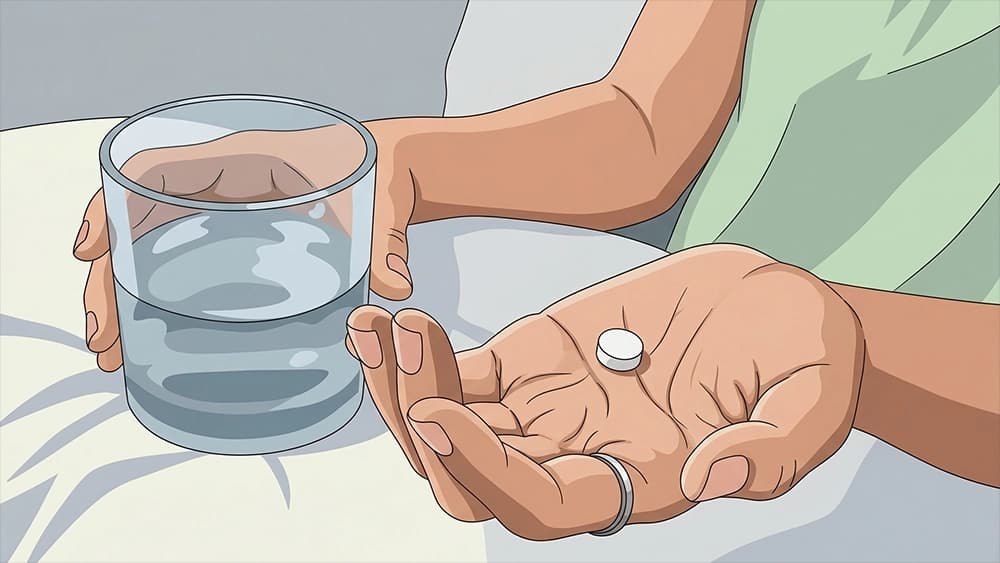
Benzo tapering programs are built to reduce benzodiazepine use gradually while monitoring for withdrawal symptoms such as anxiety, insomnia, tremors, and seizures. In Southern California, the safest programs combine medical oversight, individualized pacing, and step-down planning after detox.
- 1Benzo tapering is usually safer than abrupt discontinuation because it reduces withdrawal shock to the nervous system.
- 2Program timelines vary based on the benzodiazepine involved, dose history, and co-occurring conditions.
- 3Medical oversight matters because symptoms can worsen or become dangerous if the taper moves too fast.
- 4Structured programs can address both physical withdrawal and the anxiety that often comes with tapering.
- 5A taper should connect to residential or continuing care when the person still needs support after detox.
Benzo tapering is not something to rush. When benzodiazepines have been used regularly, stopping too quickly can be dangerous. Anxiety, insomnia, tremors, panic, and seizures can all become part of the withdrawal picture.
That is why a taper needs a plan. The goal is not to get through it as fast as possible. The goal is to reduce risk and help the person stay engaged long enough to complete care.
Why A Taper Is Different From Quitting
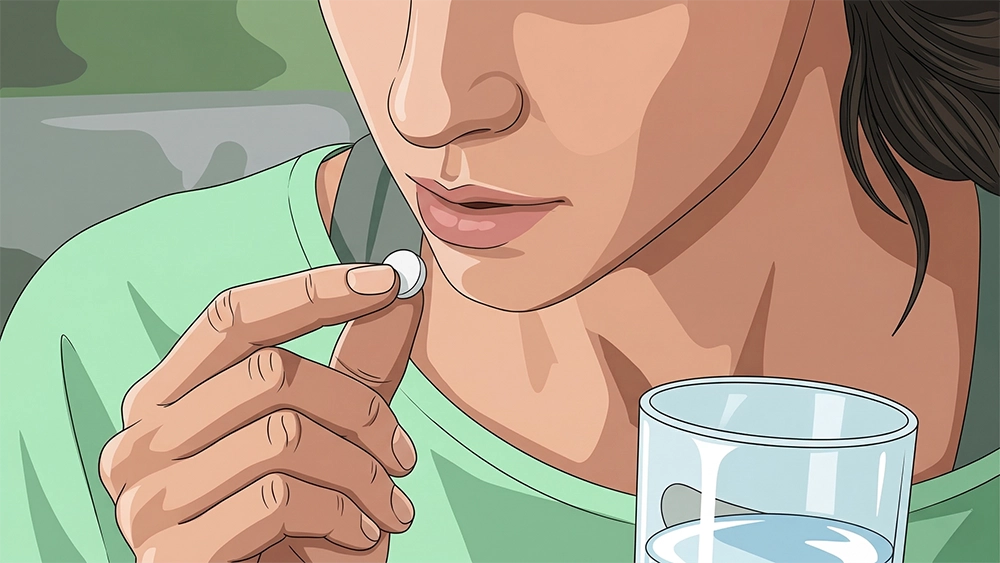
Benzodiazepines affect the central nervous system. When the body has adapted to them, an abrupt stop can create a sudden rebound. A taper reduces the dose gradually so the person can be monitored and the plan can be adjusted if symptoms become unsafe.
The schedule depends on more than the medication name. Dose history, length of use, prior withdrawal symptoms, other substances, anxiety severity, sleep, and medical history all matter.
Two people can be taking the same medication and still need different plans. That is why a real assessment matters before someone tries to manage withdrawal alone.
What A Program Should Watch
A structured tapering program should look at more than the dose. It should monitor sleep, anxiety, blood pressure, tremors, hydration, other medications, and whether symptoms are getting better or worse.
Some people may be switched to a longer-acting medication as part of the taper. Others may stay on the same medication while the dose is reduced more slowly. The details depend on the clinical picture.
Detox support matters because symptoms do not always move in a straight line. Someone can feel stable for a while and then struggle when the dose changes. A program needs enough flexibility to respond instead of forcing a rigid schedule.
Slowing a taper is not failure. Sometimes it is the safer clinical choice.
Why Supervision Matters
Medical supervision helps separate expected discomfort from warning signs. Anxiety and poor sleep can happen during tapering. Severe confusion, seizure risk, worsening agitation, or dangerous instability require a different response.
Supervision is also important when benzodiazepines are not the only substance involved. Alcohol, opioids, stimulants, or other sedating medications can change the risk picture. So can panic disorder, trauma symptoms, depression, or a history of complicated withdrawal.
A good benzodiazepine treatment plan does not treat the taper like the finish line. It also asks what support the person will need once the medication is reduced.
Plan For What Comes Next
Finishing a taper can be a major step, but it may not be the end of treatment. Some people still need residential care, therapy, medication management, family support, or a relapse-prevention plan.
This is especially true when anxiety, sleep problems, or panic were part of why benzodiazepines became hard to stop. If those issues are not addressed, the person may feel physically through the taper but emotionally unprepared.
Aftercare should be discussed before the final dose reduction. Who is following up medically? What happens if anxiety spikes? What support exists at home? What should the person do if cravings or panic returns?
Getting Help
If someone has been taking benzodiazepines regularly and is worried about stopping, it is worth asking for help before trying to quit abruptly.
If you are looking for a safer way to taper off benzodiazepines, call Surf City Detox at 888-222-1506. The team can explain tapering support, detox options, and what kind of ongoing care may be needed afterward.
Related care paths
Frequently Asked Questions
Why do benzo tapering programs use a gradual reduction plan?
Because abrupt benzodiazepine discontinuation can be medically risky and may trigger severe anxiety, tremors, seizures, and other withdrawal complications.
How long does a taper usually take?
The timeline varies. It depends on the medication type, how long the person has been taking it, the dose history, and what symptoms show up during the taper.
Can tapering be done at home?
Some mild cases may be managed outside of residential care, but many people benefit from medical supervision when symptoms or risk factors are significant.
What happens if symptoms spike during the taper?
A structured program can slow the taper, adjust medications, and increase monitoring so the person remains safe and more likely to complete treatment.
How do I get help in Southern California?
Call Surf City Detox at 888-222-1506 to ask about [detox](/programs/detox), [benzodiazepine treatment](/addiction-treatment/benzos), and [residential care](/programs/residential).
Sources & References
References used for this article.
- Benzodiazepines — NCBI Bookshelf (2024)
- TIP 45: Detoxification and Substance Abuse Treatment — SAMHSA (2015)
- Benzodiazepine Dependence: Clinical Manifestations and Therapeutic Approaches — NCBI (2018)
Surf City Detox